
Prime Highlights:
- Target will stop selling breakfast cereals with certified synthetic food colors by 31 May.
- The decision reflects rising consumer demand for safer and more natural ingredients in food products.
Key Facts:
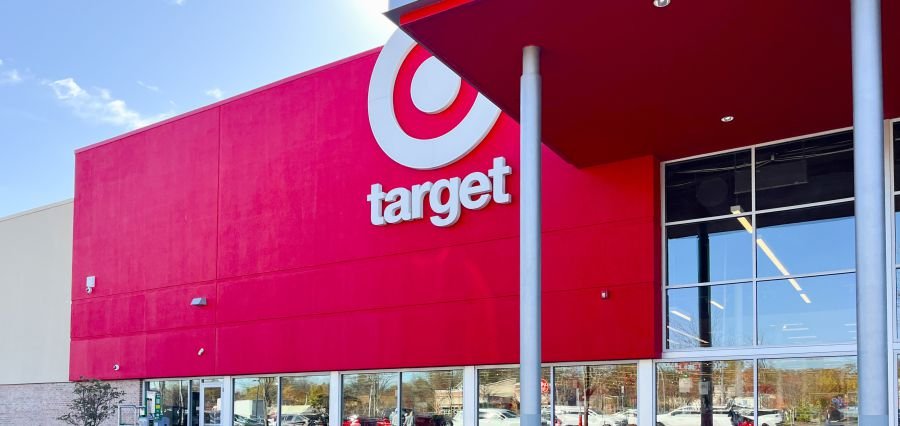
- Target operates nearly 2,000 stores across the United States and employs about 400,000 people.
- Companies such as General Mills and Kraft Heinz have also announced plans to remove artificial colors from their US products by next year.
Background:
US retail giant Target has announced that it will stop selling breakfast cereals containing certified synthetic food colors by 31 May. The move comes as public pressure grows over the health impact of artificial dyes, especially in children’s food products.
The company said it is updating its product range to match changing consumer preferences, as more people look for cleaner and healthier ingredients. Target operates nearly 2,000 stores across the United States and employs around 400,000 people, making the decision significant for the wider food market.
The announcement follows increasing calls from health advocates and movements such as “Make America Healthy Again,” supported by figures like Robert F. Kennedy Jr. Critics have raised concerns about dyes like Red 40 and Yellow 5, which some studies link to hyperactivity in children.
While the U.S. Food and Drug Administration has not made it mandatory to remove synthetic dyes, it has recently adjusted its guidelines. The agency now allows companies to label products as having “no artificial colors” if they avoid petroleum-based dyes.
At the same time, several US states are taking action. West Virginia became the first state to ban certain synthetic dyes in 2025, and more than 20 states are considering similar laws. Experts believe such state-level decisions are pushing companies to act faster.
Major food companies, including General Mills and Kraft Heinz, have also said they plan to remove artificial colors from their US products by next year. Experts are unsure, saying companies have reversed such decisions when sales dropped or customers complained.
The move shows a change in the food industry, but without strict laws, companies may not continue it.